Paint Correction in Clovis, CA
Swirl marks, scratches and water spots machine-polished out to bring the paint back to a true gloss.


Paint Correction in Clovis, Priced On What the Paint Needs
Two cars of the same age can need completely different work, so we quote on the paint rather than the model. A one-step correction starts at $600. It is a single stage of machine polishing and it clears the light swirls and wash marks most cars pick up in their first few years. A multi-step starts at $1,200 and runs several stages for heavier scratching, etched bird droppings and sap, and the oxidation you get on a car that has spent Clovis summers outdoors. The honest way to decide is to look at the paint under proper light, which is ten minutes at our shop and something you cannot do from a photo on a phone. We take paint depth readings first and work to those numbers, so nothing comes off that should not, and on a car someone else has already polished hard there is sometimes less room than you would expect. Correction takes one to two days and most of that is the wash, clay and decontamination before a machine ever touches a panel.
View packagesBenefits of Paint Correction
Machine Polishing That Levels The Clear Coat
Swirls and wash marks are not on the paint, they are cut into it. Polishing removes a controlled amount of clear coat so the surface is flat again and light reflects cleanly instead of scattering. We take depth readings first so nothing comes off that should not.
Tired Paint Is The First Thing A Buyer Sees
Nobody inspects service history before they walk up to the car. A finish full of swirls reads as a neglected vehicle whatever the mileage says, and correcting it before a sale or a lease return usually returns more than it costs.
Protecting The Finish Once It Is Corrected
Polishing clears what is already there. It does nothing about the next wash, which is where most new swirls come from. We seal the paint while it is at its flattest, because that is the moment worth locking in rather than repeating in two years.
Paint Protection Film VS Ceramic Coating
PPF and Ceramic Coating both enhance protection, yet serve distinct purposes. PPF is a thick film safeguarding against physical damage like stone chips and scratches, while Ceramic Coating, a liquid polymer, provides a glossy, hydrophobic layer resisting minor scratches, UV damage, and simplifying cleaning. Each offers unique protective benefits for your vehicle.
Certified Installer
Our packages
Lorem ipsum dolor sit amet, consectetur adipiscing elit. Suspendisse varius enim in eros elementum tristique. Duis cursus, mi quis viverra ornare, eros dolor interdum nulla, ut commodo diam libero vitae erat. Aenean faucibus nibh et justo cursus id rutrum lorem.
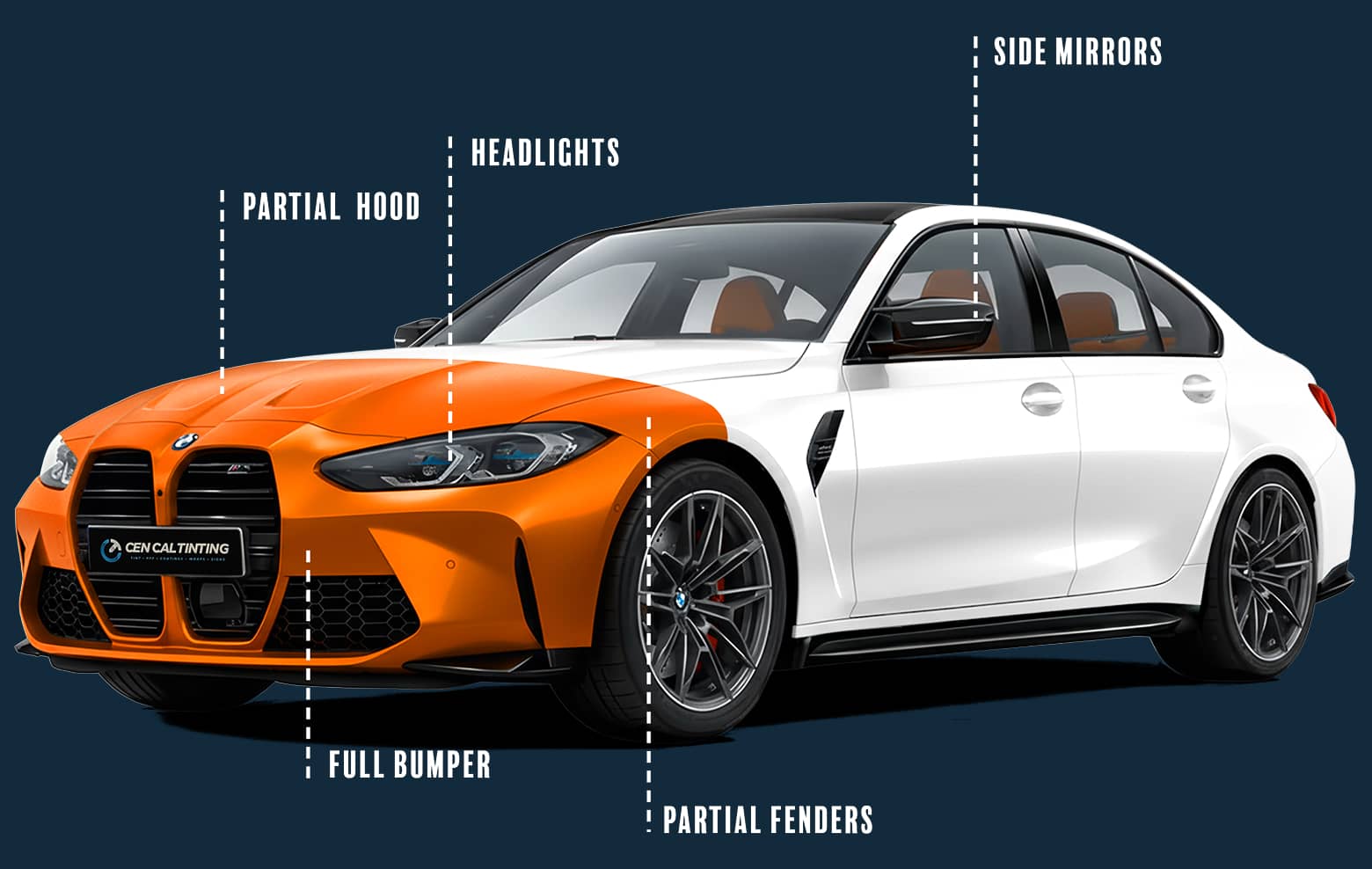
Available Add Ons
Lorem ipsum dolor sit amet, consectetur adipiscing elit. Suspendisse varius enim in eros elementum tristique. Duis cursus, mi quis viverra ornare, eros dolor interdum nulla, ut commodo diam libero vitae erat. Aenean faucibus nibh et justo cursus id rutrum lorem.

Top PPF Films Curated Just for You
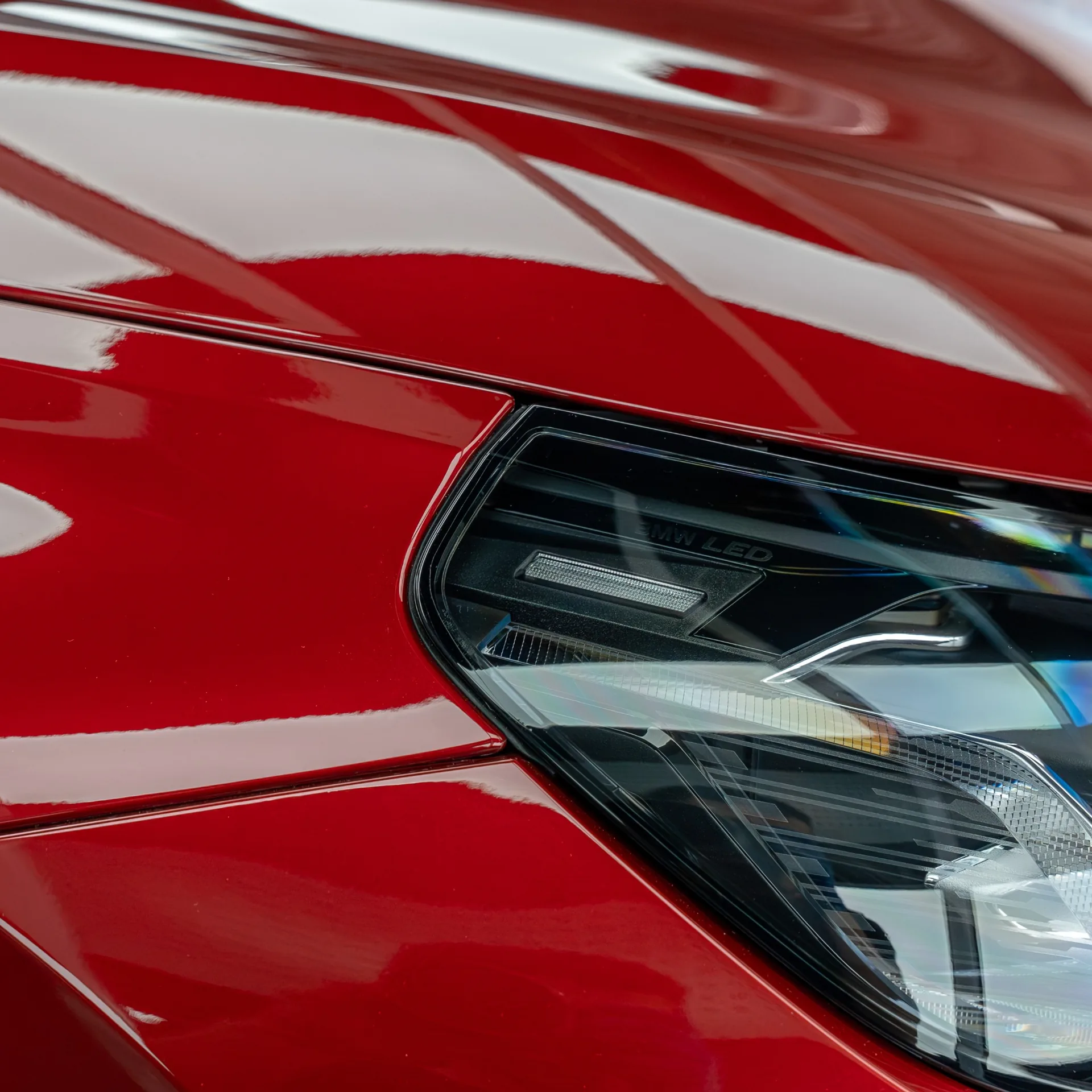
Clear Film
Invisible protection that maintains your vehicle's original factory finish and shine.
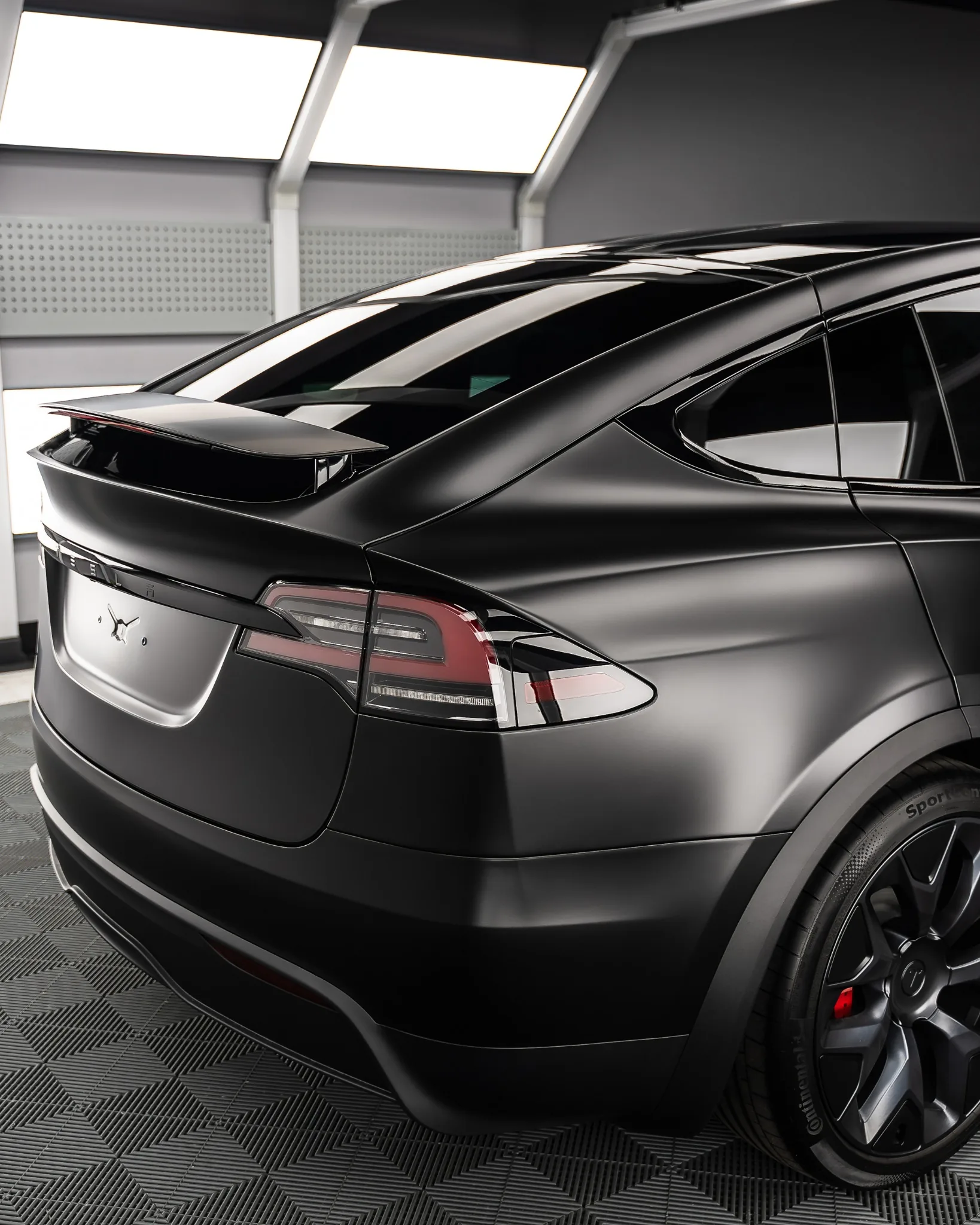
Matte Film
Transforms your paint into a smooth, satin finish while providing the same rock chip and debris protection.
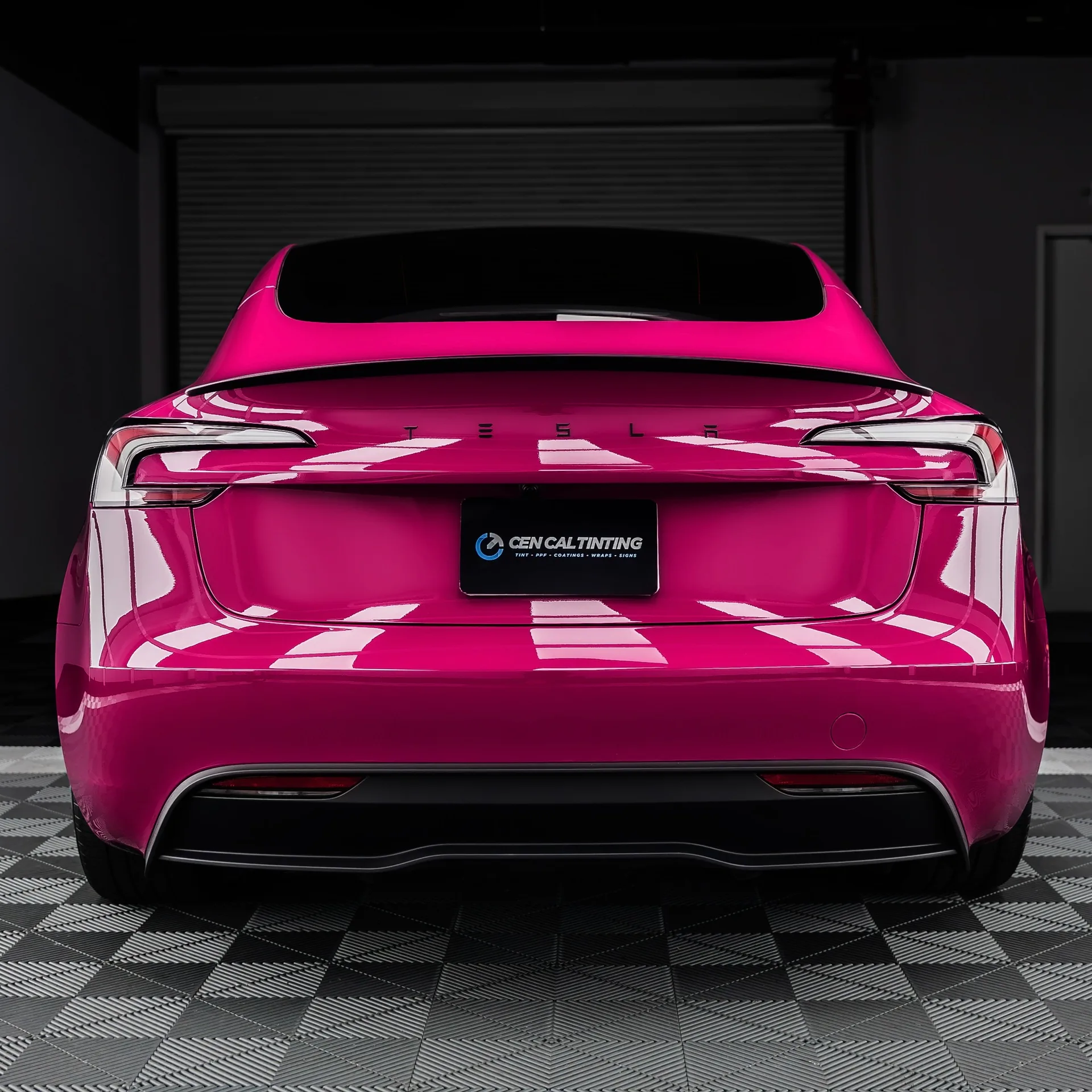
Colored PPF
Change your vehicle's color while adding premium paint protection in a single installation.
Discover our potential
View us on Instagram
What our customers think

The team at Cen Cal did both of our new Tesla vehicles and did an absolutely incredible job. Fast and really easy to work with, great communication! I definitely recommend using them

Great service, easy to work with and easy to book an appointment. Good price and truck was done super quick. Quality work, will take vehicles here in the future.

8am appointment. I was out within a half hour with 2 front windows and the windshield strip applied. Pricing was normal. Nice clean shop. Super nice couple assisted me. Very professional. 10-10.
We Are Here To Help
Our shop is right here in Clovis, so this is home turf. We also get plenty of paint correction customers driving over from Fresno, which is only a short trip. Correction is a one to two day job either way, so you'll be dropping the car off rather than waiting.
Correction is also the usual first step before paint protection film in Clovis goes on, since the film locks in whatever is underneath it.
A one-step correction starts at $600 and a multi-step at $1,200. Which one you need depends on how much defect is actually in the paint, not on how big a package you want.
One-step suits most cars one to three years old, where the swirls are light and a single stage of machine polishing clears them. Multi-step uses several stages of compounding and polishing for heavier defects, etching and oxidation, and is what older or neglected paint usually needs.
Send us a few photos in good light, or bring the car by the shop here in Clovis, and we'll tell you honestly which one it needs rather than which one sells. Both options are listed on our paint correction in Clovis page.
It comes down to how deep the defects go, not how much you want to spend.
One-step is a single stage of machine polishing. It clears light swirls, wash marks and mild oxidation, and it is the right call on most cars one to three years old.
Multi-step runs several stages of compounding and polishing. It is for heavier scratching, etching from bird droppings or sap, and oxidized paint, which usually means a car three years or older, or one that has lived outside.
The honest way to tell is to look at the paint in good light. Bring it to the shop in Clovis and we will show you what is actually in the clear coat rather than guess from the age of the car.
One to two days for either package, so plan to leave the car with us.
Very little of that is polishing time. The car has to be washed, clayed and decontaminated first, because polishing a panel that still has grit on it drags that grit through the clear coat and creates the problem you are paying to remove.
We would rather take an extra half day and get a panel right than rush it, so we confirm the timeline once we have seen the paint in person rather than promising a number over the phone.
Use your fingernail as the test. Run it lightly across the scratch. If it catches, the scratch has gone through the clear coat, and no amount of polishing will bring that back. That is body shop work.
If your nail glides over it, it is in the clear coat and we can almost certainly level it out. That covers the great majority of swirl marks, wash scratches and light oxidation.
There is a hard limit on all of this, which is how much clear coat the car has left. We take paint depth readings before we start and work to those numbers, so we never take off more than is safe. A car that has already been polished hard by someone else sometimes has less room than you would expect.
It is the natural moment for it. The paint is at its clearest the day the correction is finished, and a coating holds it there.
Think of it in the right order. Correction removes what is in the clear coat. A coating protects what is left. Doing them the other way around seals the defects in, which is why a coating over uncorrected paint is usually a waste of money.
You are not obliged to do both. If you would rather just have the correction, we will prep the surface properly either way and tell you what to expect from it unprotected.
The correction itself is permanent. That clear coat has been leveled and the old defects are gone for good.
Whether new ones appear is entirely down to how the car gets washed. Almost all swirl marks are put there by washing and drying, not by driving. A drive-through wash will undo months of careful work in a single visit.
Two buckets, a pH-neutral soap, a clean microfiber mitt and drying with air rather than a towel will keep a corrected finish sharp for years. A ceramic coating makes that routine easier still, because dirt releases instead of needing to be worked off.
A detail cleans and protects what is already on the car. Correction physically removes what is wrong with it.
The distinction matters most with glazes and fillers. A wash and wax, or a cheap all-in-one polish, can fill swirl marks well enough that the car looks corrected in the parking lot. Two or three washes later the filler is gone and the swirls are exactly where they were.
Machine correction levels the clear coat instead, so there is nothing to wash out. It costs more and takes longer for the same reason.
Plenty of cars only need a good detail, and we will say so. Bring it by the shop in Clovis and we will tell you which one yours is.


.webp)
.webp)


.webp)